My son told me, “You’re not on the list.”… The letter he received the next morning devastated him. 😳😳
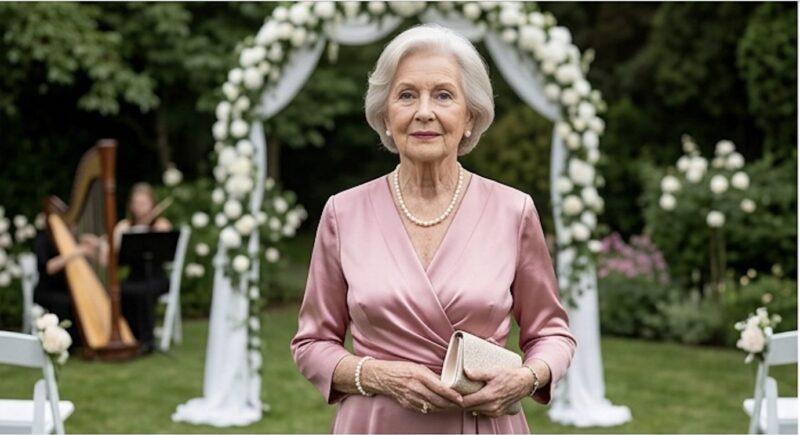
I arrived at my granddaughter’s wedding with a full heart and a quiet pride, carrying six months of effort in every step I took toward the entrance. Every detail of the day had passed through my hands—every vendor, every payment, every carefully considered decision to give her something beautiful. The white floral arch stood proudly, the music drifted softly through the garden, and the evening shone with elegance. I didn’t feel like a guest. I felt like the one who had built this moment from scratch. That’s why, when my son stopped me beneath those same flowers, I wasn’t prepared for what was to come.
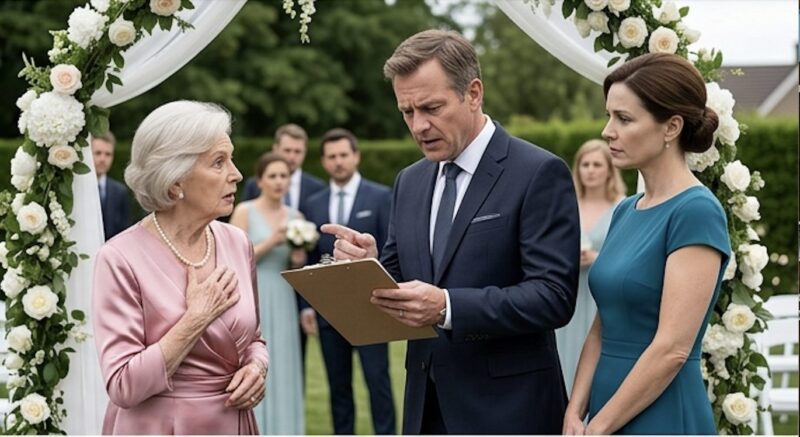
“My son said, ‘You’re not on the list.'”
For a second, the words were meaningless. I waited for a smile, a sign that it was a misunderstanding, but there was nothing—only chilling certainty. His wife stood beside him, silent and dignified, and that silence told me more than anything else.
“What do you mean?”
“There must have been a mistake with the invitations.”
A mistake. I had proofread those invitations myself, sealed some of them with my own hands, making sure no one was left out. Around us, people fell silent. Familiar faces turned away, pretending not to notice. No one stepped forward, and in that silence, something inside me shifted. This wasn’t confusion. It was intentional. Carefully planned. Executed in silence. A public humiliation on the very evening I had made possible. I could have argued. I could have reminded him—in front of everyone—that without me, there would be no wedding at all. But I didn’t. I chose dignity.
“It’s okay.”
I turned and walked back under the same white flowers I had paid for, leaving behind a celebration that no longer belonged to me. Each step felt heavier, but I didn’t stop. When I reached the car, the driver looked at me with silent concern.
“Did you forget something, ma’am?”
“Yes. A version of me they were counting on.”
That night, I didn’t cry. I went home, opened a file, and looked at every contract, every receipt, every payment—all in my name. Then I made a phone call. The next morning, my son received a letter. Not an apology. Not a message. Something far worse. When he opened that envelope… his face drained of blood instantly…
I arrived at my granddaughter’s wedding with a full heart and a quiet pride, believing I was part of a moment I had helped create from the very beginning. For six months, I had been more than involved—I had been in charge. Every detail, from the venue to the flowers, from the music to the invitations, had passed through my hands. I had signed the checks, confirmed the reservations, and made sure everything reflected the beauty my granddaughter deserved. Standing under the white floral arch, wearing my pink silk dress and my mother’s pearls, I felt a sense of ownership. This wasn’t just a party I was attending. It was a party I had built. That’s why, when my son stopped me at the entrance, the moment felt unreal.
“You’re not on the list.” “
For a split second, I thought I’d misunderstood. Those words seemed out of place in a room filled with music and light. I waited for him to compose himself, but instead, he glanced down at the guest list as if confirming something commonplace. His wife stood beside him, calm and silent, her expression unchanged.
“What do you mean?”
“There must have been a mistake with the invitations.”
The explanation seemed simple, but I knew it wasn’t true. I had handled the invitations myself, checking every name and making sure nothing was forgotten. Around us, conversations fell silent. People who knew me avoided my gaze. No one moved, and in that silence, the truth became undeniable. It wasn’t a mistake. It was a decision. The humiliation was sharp, but it didn’t break me. On the contrary, it brought me clarity. I could have protested, revealed everything then and there, and reminded them exactly who had made this party possible. But I chose something else. I chose dignity.
“It’s okay.”
I turned away and walked back through the same white flowers I had paid for, leaving behind a celebration that no longer had room for me. When I reached the car, the driver hesitated before opening the door.
“Did you forget something, ma’am?”
“Yes. A version of me they were counting on.”
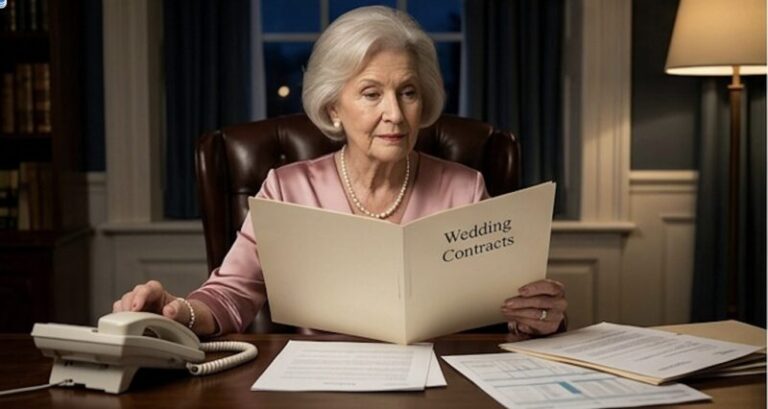
The drive home was silent, but something inside me had already changed. When I got to my apartment, I didn’t cry. I didn’t allow myself to. Instead, I went straight to my office. In the drawer was a cream-colored folder labeled with the wedding name. Inside were the contracts, invoices, and receipts—every document related to that day. Each one bore my name, my signature, my account number. If they wanted to erase me from history, the truth was written in black and white on every page. I picked up the phone and called my lawyer.
“It was a big day today,” he said.
“It was. Now I need you tomorrow morning.”
When he arrived, I showed him everything. Then I placed a second file in front of him—this one revealed even more. Property deeds, registration certificates, financial statements. The apartment where my son lived, the cars he drove, the money that financed his life—it all led back to me.
“They have no idea, do they?”
“No. They never thought they’d need to know.”
By noon, everything was meticulously prepared. A formal eviction notice. A demand for the return of the property. The immediate cessation of all financial support. There was no anger in the procedure, only clarity. The envelope was mailed that same day.
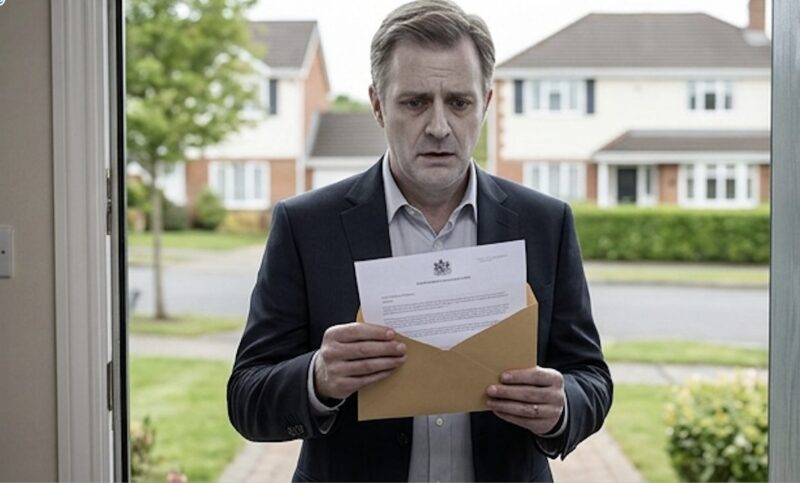
The next morning, my son received it. When he opened it, the confidence he had displayed the day before vanished. Later, I learned that his hands had begun to tremble as he turned the pages, that his voice had lost all certainty.
“What is it?”
“It’s over.”
The calls started soon after. I didn’t answer. Finally, a message arrived, his voice trembling and desperate.
“Mom… please. This is going too far. It was just a misunderstanding.”
I listened to it once, then deleted it. Because at that point, there was nothing left to misunderstand. Respect isn’t something that only appears when it’s convenient, and it doesn’t disappear when it becomes uncomfortable. If I had been important enough to build the marriage, I had been important enough to stand at the door. He had forgotten that. And in forgetting, he had mistaken silence for weakness. But silence, when chosen carefully, isn’t weakness—it’s clarity. And that clarity changed everything.