Have you also felt like social media has become obsessed with protein consumption lately? Chicken breast has become a meme, Instagram nutritionists have come up with a thousand and one high-protein yogurt dishes, and bloggers are all over the place claiming to always have a protein bar and a video camera with them. But marketing aside, the problem remains: a significant portion of people genuinely don’t get enough protein in their daily diet—and often don’t even notice. Together with Gallery of Taste, we decided to find out the dangers of this neglect and what you can add to your plate today.
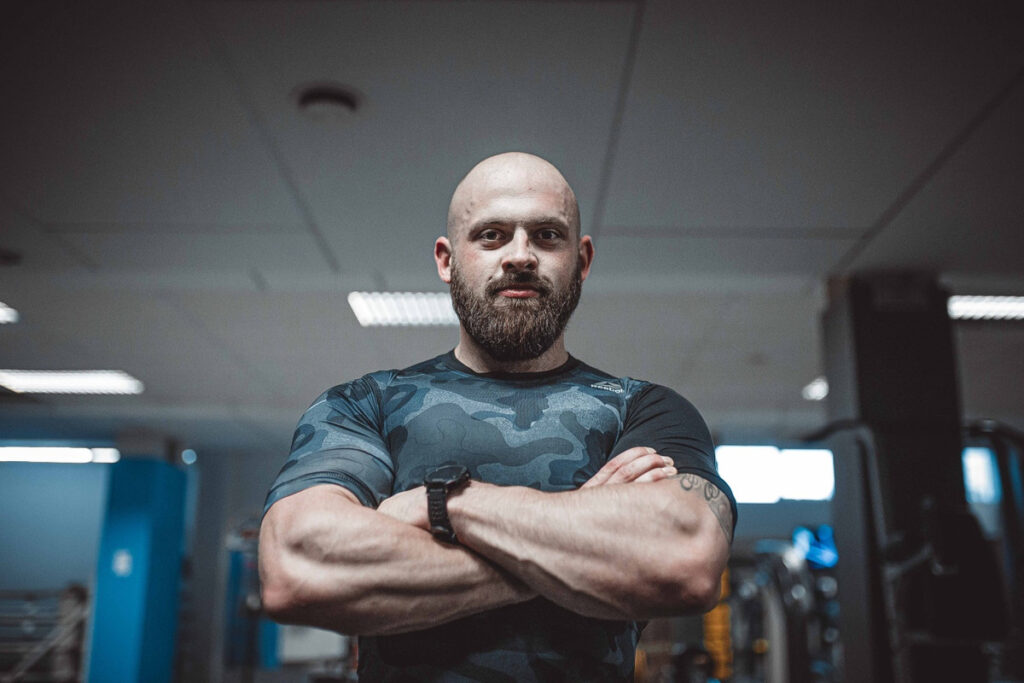
We asked fitness expert Kirill Zelensky, three-time winner of the title “Best Trainer of Belarus,” and teacher and co-founder of the Fitness Education training center, about protein intake.
Question 1: How do I calculate my daily intake?
To what extent is the importance of protein overstated in the media? What role does it really play in the body’s functioning?
Actually, it’s not overstated at all. I’m very pleased that this topic has become of interest to more than just fitness and sports enthusiasts. Unfortunately, if we don’t consume enough protein, we lose muscle mass over time. This isn’t about us not looking toned, but about losing even basic muscle mass.
There’s a term called “sarcopenia,” which is the natural loss of muscle tissue with age. It happens to everyone. But if we don’t consume enough protein, this process accelerates significantly.
The trainer explains that muscle loss has a chain of negative consequences. First and foremost, it affects metabolism: muscle tissue is a heavy consumer of calories in our bodies. The less muscle there is, the faster the body switches to energy-saving mode, which leads to weight gain much faster. This increases the risk of prediabetes, insulin resistance, and cardiovascular disease. Secondly, it affects overall quality of life: you have less energy for everyday tasks and find it harder to stay active. This becomes especially noticeable with age.
—Furthermore, protein intake is closely linked to women’s health. I’m sure many have heard about the prevalence of anemia. Well, protein foods support the body’s ability to absorb iron.
It’s clear that this is important. Now the main question: how much protein exactly should you consume? Kirill reassures: while the figures are set, they are quite flexible.
Different organizations provide different figures.
The minimum limit is 1 gram of protein per kilogram of body weight.
The simplest calculation: for a woman weighing 60 kilograms, that’s 60 grams of protein if she has almost no physical activity.
As soon as sports become popular, the norm changes:
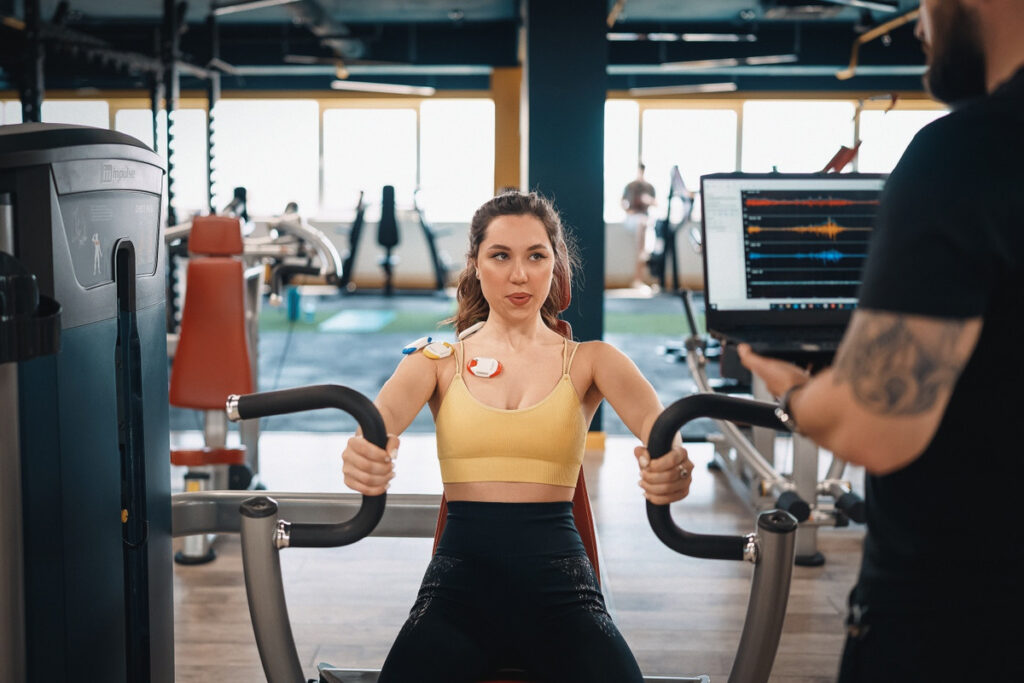
— If a person is exercising (whether it’s running or group fitness), the norm increases to one and a half grams. Accordingly, a woman weighing 60 kilograms needs to consume 90 grams of protein. And if she’s actively strength training and aiming to build muscle, the norm can increase further, to two grams of protein per kilogram of body weight. Speaking of norms, they are roughly the same for men and women. It’s important to consider activity level, not gender.
Question 2: Where to get protein?
One of the main problems modern people face, according to the trainer, is the illusion that we eat a lot of protein.
— In practice, unfortunately, most clients don’t get enough protein at first. What we think is protein often isn’t. For example, people eat processed foods, thinking they’re meat, but they actually contain virtually no protein.

But does this mean we have to stick to a boiled chicken breast diet for the sake of health?
Chicken breast is a super-dietary food with a high protein content, but it’s really hard to stick to it all the time. In fact, all animal products—meat, fish, seafood—contain more or less the same amount of protein: 15-25 grams per 100 grams of raw product.
The trainer emphasizes that it’s important to consider the amount of fat in foods to avoid overdoing it. Pork, for example, has 20 grams of protein, but can contain twice as much fat. Trout also has 20 grams of protein, but 25-30 grams of fat. So, it’s important to balance all nutrients.
The main dietary sources of protein are lean fish, chicken, beef, seafood, and dairy products (cottage cheese, Greek yogurt).
Plus, you can eat plant-based foods. But be mindful, understanding that there are complete and incomplete proteins. Proteins are divided into two groups based on the amino acid content. Plant-based foods typically contain incomplete proteins, although there are exceptions—for example, soy. Therefore, combining different protein sources is crucial.
We can’t help but ask: are there any superfoods that will help you meet your daily requirement right away?
— Unfortunately. It’s actually quite simple. You need to include a good portion of protein in every meal. You can’t meet your needs with just one protein.
Although there are currently efforts to create high-protein products—protein shakes, for example. This can be a good supplement. But it’s important to remember that with regular food, we get other micronutrients, vitamins, and minerals in addition to protein. Protein shakes, however, emphasize only one thing. Therefore, it’s important to eat a varied diet.
But from the experience of my clients, I know that not everyone can eat the required amount of solid food. In this case, drinks can be a lifesaver. A reasonable balance is two-thirds protein from food and one-third from supplements.
The classic question about compatibility immediately arises: is it true that protein is only digestible with certain foods? The trainer reassures: it’s time to discard the myths about strict food combinations. Protein can be eaten in its pure form. The only caveat is dietary comfort: too much protein can lead to bloating and other unpleasant conditions. So, a vegetable salad with meat wouldn’t hurt.
Plus, there are protein digestibility charts. The fastest-digesting protein foods include dairy products and eggs.
Question 3: What if I want to lose weight?
During weight loss, protein becomes even more important. It turns out that during this period, the norm can even be increased.
— In a calorie deficit, the body begins to “eat” itself, primarily muscle. To avoid this, we need protein and exercise. If we simply eat less, we will lose a lot of muscle tissue. “You need a stimulus to maintain muscle, and that means training, primarily strength training,” explains Kirill. Protein intake can increase to two and a half grams per kilogram of body weight.
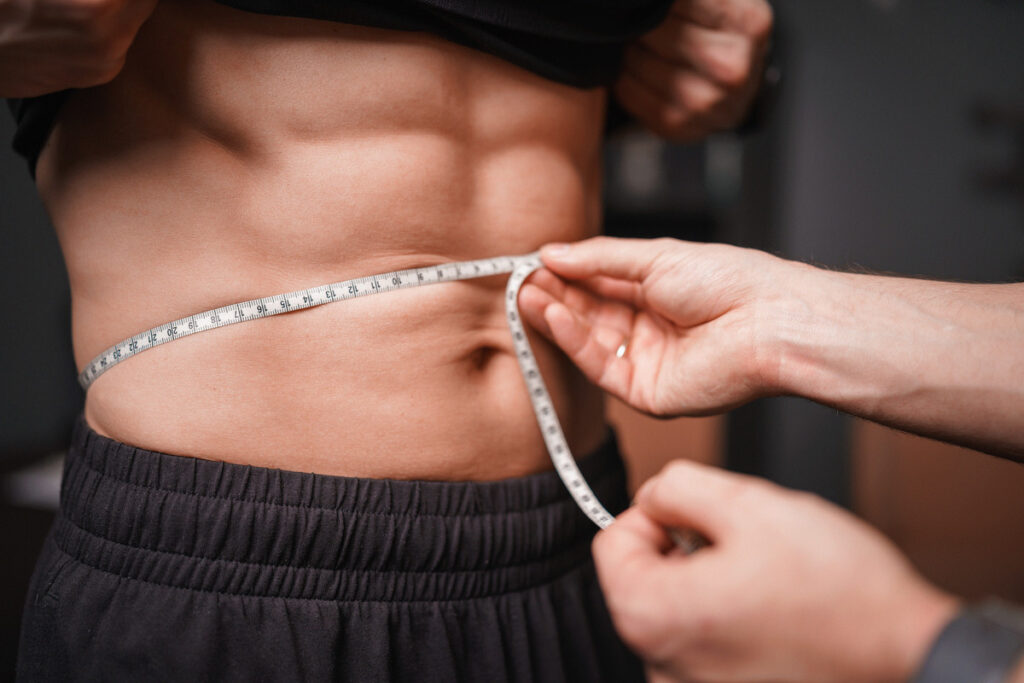
This brings us to another sensitive topic: girls’ fear of muscles. They say a muscular figure doesn’t always look aesthetically pleasing. My trainer hears these comments regularly. And every time, she explains: when it comes to building muscle mass, we’re not talking about biceps like bodybuilders, but about the muscle volume necessary for health.
“There’s a concept called skinny fat. It’s a body type in which a person has a normal or even low body mass index, but a high percentage of body fat and critically low muscle mass. In this case, the body doesn’t look very healthy. A beautiful figure is always a balance: an adequate amount of muscle and an adequate percentage of fat.”
Question 4: What’s the connection between protein and training?
We decided to dedicate a separate set of questions to training tactics. For example, should you load up on protein on training day? It turns out, no. Strict rules only apply to professional athletes.
— It’s better to consume protein evenly. If we have three meals, it’s best to include protein in each. This is necessary to support protein synthesis in cells. Yes, it’s also good to eat a good meal after training to kick-start the recovery process, but the total protein intake for the day is much more important.
“Is it possible to tell if you’re lacking protein?”
“Only in advanced stages can you tell by external signs. Skin and hair condition may be a concern. But even if we consume any protein, the problem usually becomes noticeable years later—five, ten, fifteen years. Then, it won’t be easy to fix. During that time, we’ll lose a significant amount of muscle mass, which is quite difficult to regain,” warns Kirill.
Let’s clarify: if someone does notice, how long does it take to recover? The trainer explains: simply supplementing with protein is just a stopcock. Yes, it will stop further muscle loss, but it won’t help you regain it. Unfortunately, eating a can of protein and getting strong muscles won’t do the trick.
Muscle mass is gained not through diet, but only through training.
And the last few questions… We decided to ask them to sports medicine doctor Evgeny Akimov.

Question 5: How does protein affect the body in general?
We discuss this topic with a physician in a more global context. How else does protein consumption affect the body? The answer turns out to be unexpected for the average person.
“In short, protein directly influences the body’s adaptability, whether to physical activity, cold, or emotional stress. The main enemy of adaptation is chronic stress. And here, protein plays a protective role.
Furthermore, it is important for supporting the immune system: protein is necessary for the production of antibodies and immune system cells. Therefore, adequate protein intake directly impacts the body’s ability to adapt to attacks by viruses and bacteria, especially during periods of increased stress,” the doctor explained.
Regarding the perception of ambient temperature, during cold weather, the body slows its metabolism to conserve energy. Protein helps counteract this thanks to its high thermic effect of food (it consumes the most calories during digestion). This maintains overall metabolic rate and helps preserve muscle mass, thereby facilitating adaptation to cold without weight gain. Overall, adequate protein intake helps adapt to extreme conditions.
So, in a global sense, a serving of chicken breast or Greek yogurt is not just a dinner, but a strategic resource that determines how quickly and effectively the body can adapt to new conditions.
Question 6: So what should I eat per day?
Finally, we ask the most important question: what exactly should I eat per day?
“Let’s make a list: 150 grams of chicken breast, 2 eggs, a glass of kefir, 100-150 grams of cottage cheese and high-protein yogurt. Plus, vegetable protein is found in side dishes like pasta and porridge. This will add up to approximately 70-80 grams of protein, which is quite enough for the average person,” explains Evgeny.
The foods richest in protein include Parmesan cheese, jerky, baked chicken breast, pumpkin seeds, tuna, and shrimp. Meanwhile, the absolute champions in protein content are dried seaweed, soy protein, and egg powder.
To determine the amount of protein in each food, there are special tables. A more modern option is special apps that calculate this parameter automatically.